Paulina Martina
From Tool to Thought
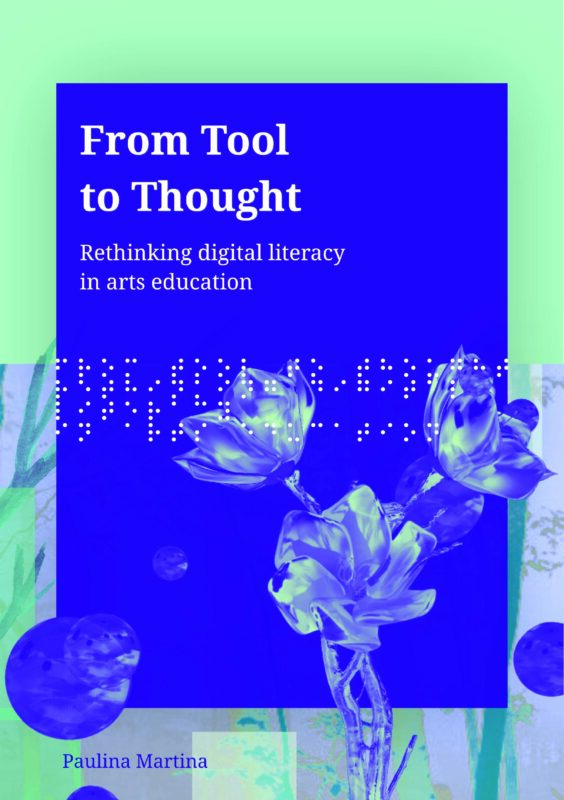
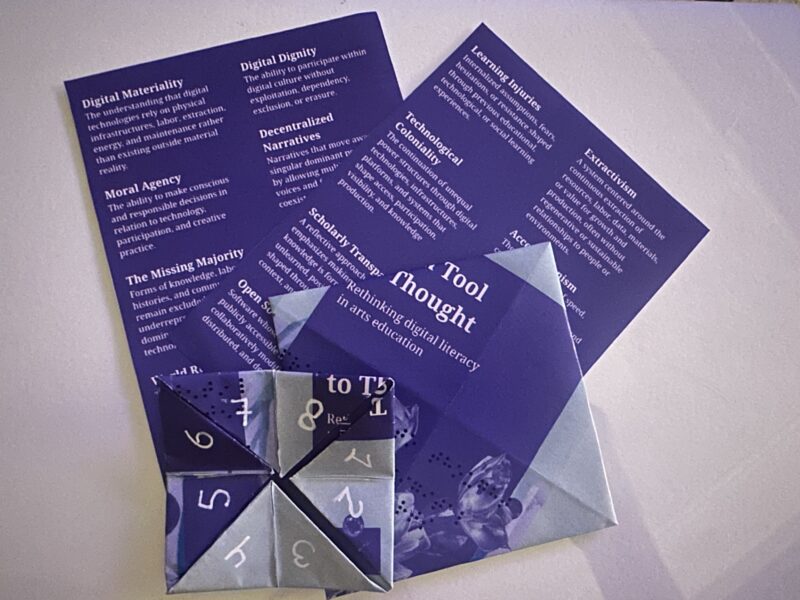
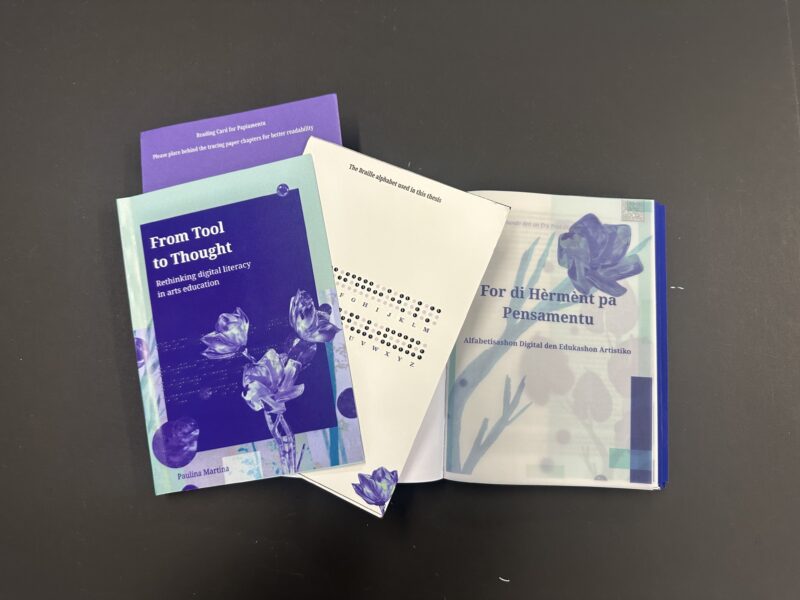
This practice-based research explores digital literacy within arts education and considers how digital making can be approached beyond technical skill development. As digital tools become increasingly embedded in creative practice, conversations often focus on learning software, workflows, and production techniques. This research opens space for broader discussions about how technologies shape learning, participation, artistic practice, and engagement with digital culture.
Situated across multiple educational contexts, the research explores pedagogical approaches that support student agency, critical thinking, and meaningful engagement with technology. Attention is given to questions of access, infrastructure, participation, sustainability, and digital sovereignty. Digital literacy is approached not only as the ability to use tools, but also as the capacity to understand the conditions, systems, and relationships that influence how technologies are experienced and applied.
A central concept that emerged throughout the research is from tool to thought. This phrase reflects a shift towards understanding digital technologies as cultural, social, and educational forces that influence how knowledge is produced, shared, and experienced. Through workshops, teaching experiments, reflective documentation, and dialogue, the research explores how digital literacy can become a situated, relational, and context-sensitive learning process.
An important theme throughout the project is the relationship between physical and digital making. The research considers how these practices can inform one another through workflows that support reflection, experimentation, and creative decision-making. By moving between physical and digital processes, learners develop a broader understanding of how technologies can support their practice while maintaining agency over their choices and methods.
The project also explores how making research public can contribute to digital sovereignty. Through a publication that incorporates multiple languages, audio narration, and diverse modes of navigation, alongside a solar-powered website, the research engages with accessibility, sustainability, and alternative forms of digital publishing. Together, these approaches explore how knowledge can be shared, accessed, and maintained in ways that support participation, transparency, and long-term access.
Thesis: