Heidi van Gorp
Being, Seeing, and Being Seen
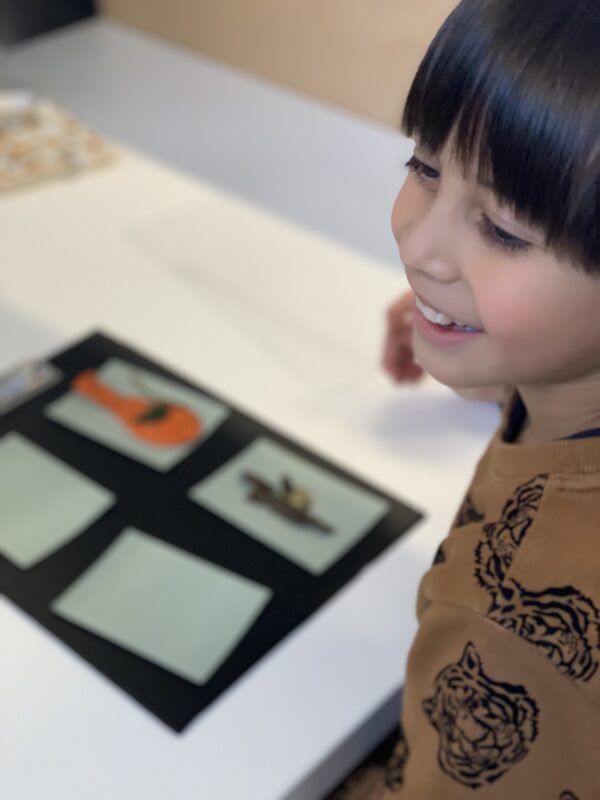
In a society where speed, performance, and constant stimulation are central, many creatively gifted children experience an abundance of thoughts, impressions, and associations. This cognitive richness can lead to what is described in this study as cognitive fragmentation: a continuous flow of ideas and perceptions that makes it difficult to sustain attention, deepen experiences, and truly be present in the moment. This practice-based artistic research explores how arts education can support creatively gifted children in their capacity to be, to see, and to be seen. Drawing on phenomenology, the Reggio Emilia approach, Gert Biesta’s theory of subjectification, and insights from Acceptance and Commitment Therapy (ACT), a series of lessons was developed: the DOCUS lessons.
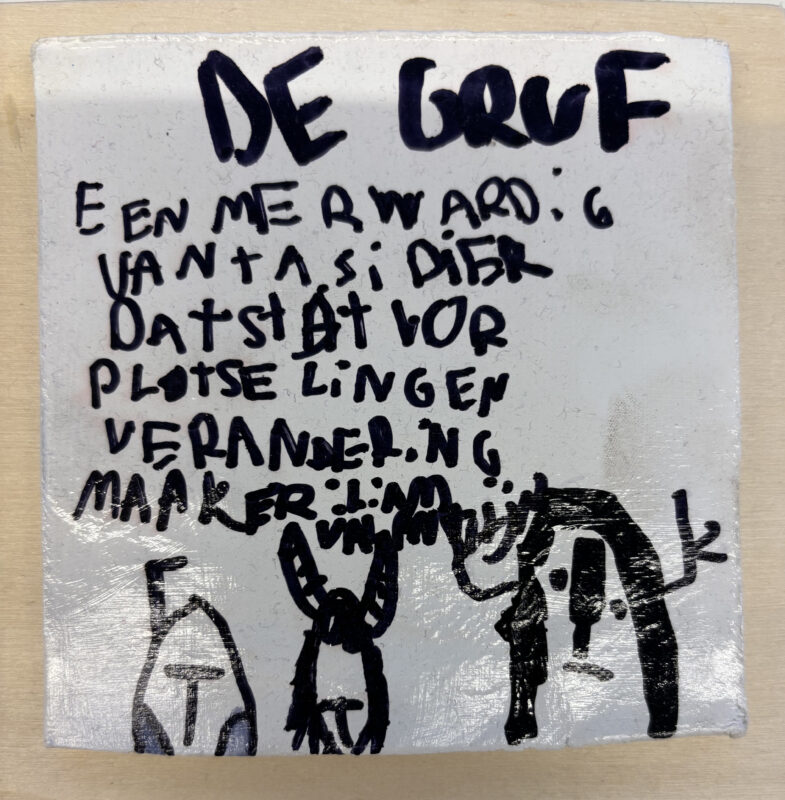
Within these lessons, photography, strollology, wonder, imagination, documentation, and reflection form the foundation for inquiry-based learning. Through carefully designed structures of attention, children are invited to slow down, observe attentively, and give meaning to what they experience. The focus is not on the final product, but on the process of looking, exploring, and developing a personal relationship with the world.
The findings suggest that artistic structures of attention can contribute to greater calm, focus, engagement, and ownership among creatively gifted children. The children developed a heightened sensitivity to detail, became more confident in working from their own perspectives, and experienced space to make their ideas visible. At the same time, moments emerged in which they genuinely felt seen in their individuality.
This research demonstrates that arts education can be more than the development of creative skills. Art can create a pedagogical space in which children not only learn to look at the world, but also discover who they are and how they relate to that world as unique human beings.